01
Systems mapping
The biggest impact appears when assistants connect to the organization's infrastructure: EHRs, scheduling tools, administrative systems, databases, internal APIs, and documentation platforms.
Custom development
Some challenges cannot be solved with standard products. We design solutions for healthcare organizations, pharma companies, labs, and research teams. Our differentiation combines software development with medical, scientific, bioinformatics, data science, and AI expertise.
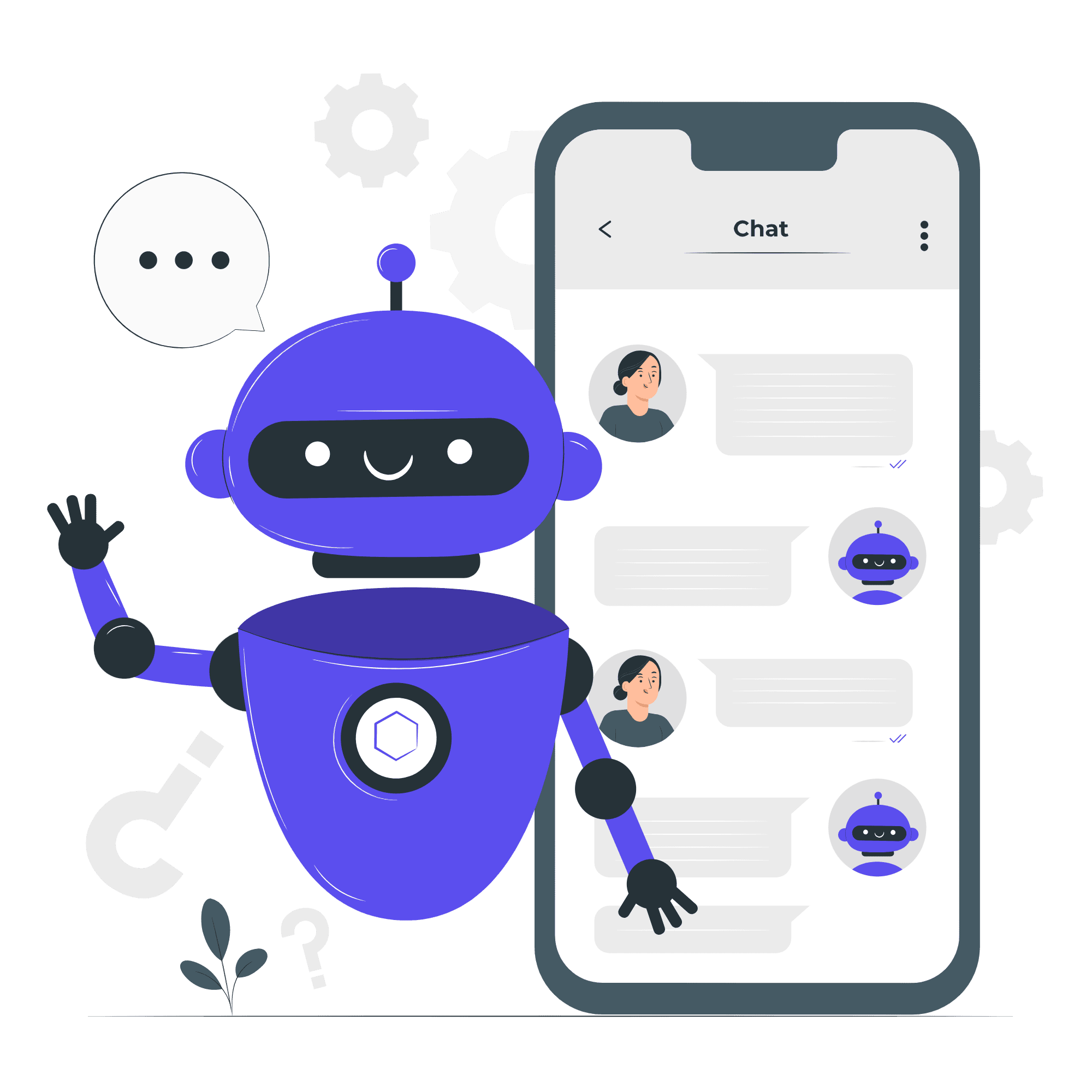
We build AI conversational assistants for WhatsApp and Telegram designed for healthcare processes. Beyond predefined responses, these assistants can interpret natural language, access internal systems in a controlled way, retrieve information, execute actions, and keep context-aware conversations.
This brings platform functionality directly to channels used daily by physicians, patients, and administrative teams, reducing friction for recurring tasks.
The biggest impact appears when assistants connect to the organization's infrastructure: EHRs, scheduling tools, administrative systems, databases, internal APIs, and documentation platforms.
Security, permissions, and user identity are core design concerns. The assistant can restrict available operations per authenticated role and enforce the same access rules as the rest of the platform.
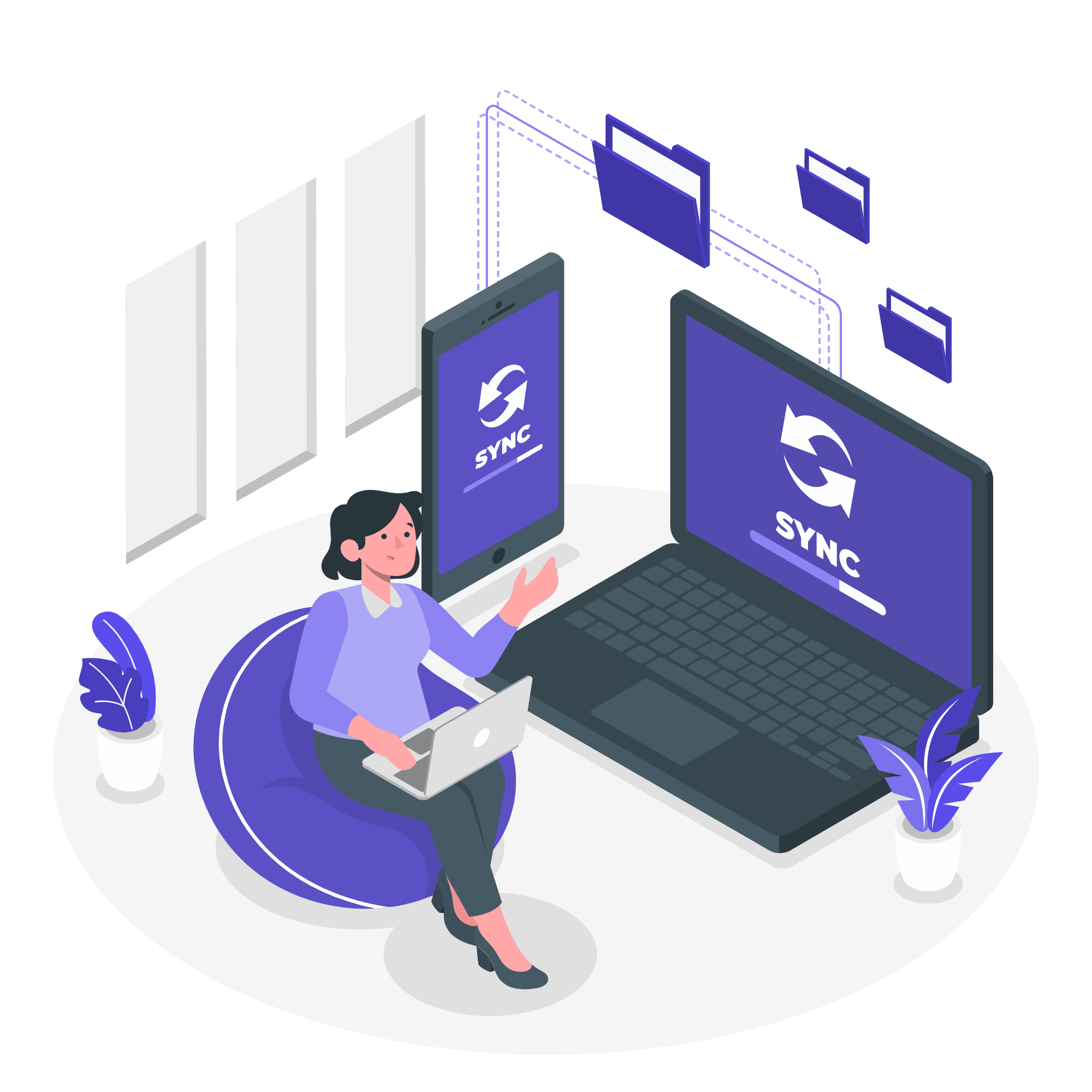
Many healthcare organizations still rely on workflows that combine spreadsheets, email, manual data entry, and disconnected systems. We analyze those circuits and build automation that reduces errors and connects the process end to end.
Automation can range from internal micro-flows to complete cross-team processes: document handling, validations, report generation, notifications, data synchronization, and scheduled tasks.
We can build workflows that receive documents, identify relevant information, structure and validate it, and load it automatically into the corresponding system.
Replacing existing systems is not always required. In many projects, the highest ROI comes from an integration layer that connects current tools through APIs, synchronization processes, and external services.
We understand clinical-scientific context before building technology.
Healthcare technology projects demand understanding beyond functional requirements. Our interdisciplinary team includes medicine, genetics, software engineering, bioinformatics, data science, and AI profiles, plus researchers with advanced computer science backgrounds.

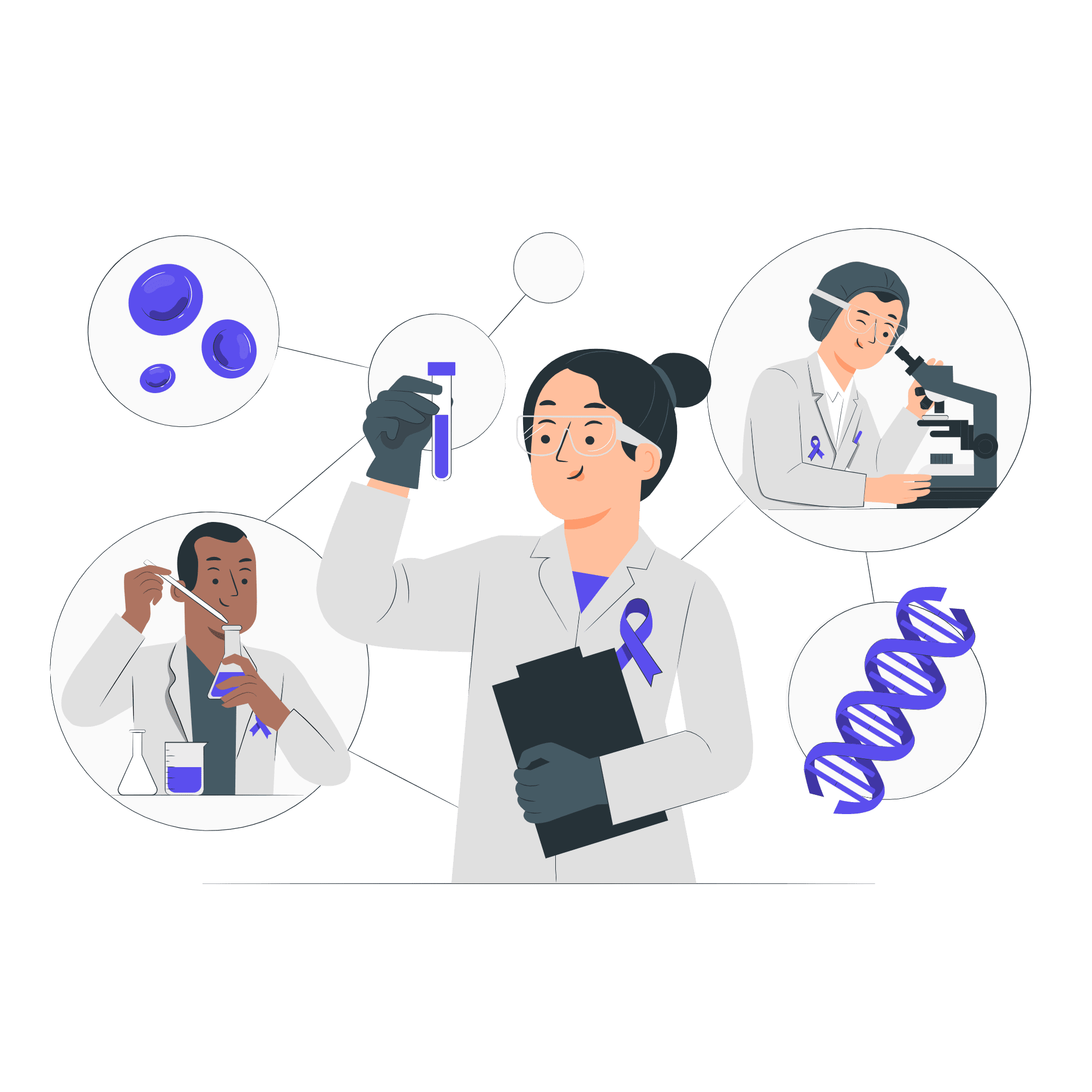
Research is part of GenomIT's culture. Part of our team participates in OmicsDataScience, an interdisciplinary group focused on bioinformatics tools and methodologies for biomedical data analysis.
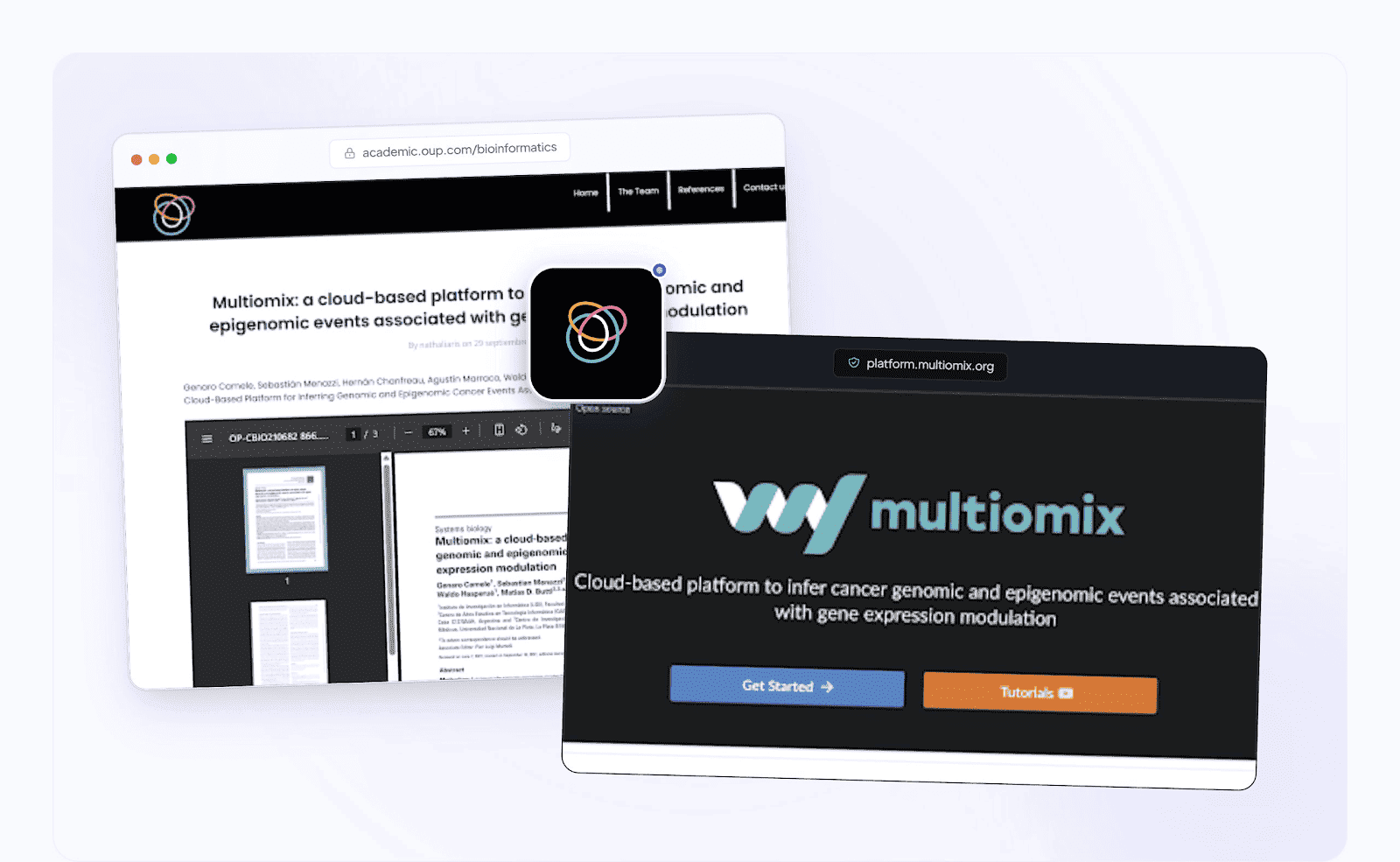
Over the years we have developed bioinformatics tools, data analysis platforms, and computational methodologies that produced scientific publications and usable software for researchers.
| Capability | Description |
|---|---|
| 01 Web platforms | Complex web systems and enterprise applications for healthcare organizations. |
| 02 Medical information | Clinical and scientific data management, integration, and processing. |
| 03 Automation | Digitization of manual workflows and repetitive tasks. |
| 04 Artificial intelligence | Generative AI, NLP, extraction and structuring of information. |
| 05 Machine learning | Predictive and analytical models when needed. |
| 06 Bioinformatics | Biological, genetic, and molecular data processing and analysis. |
| 07 Dashboards and BI | Interactive data visualization and interpretation. |
| 08 Integrations and APIs | Interoperability between existing platforms and services. |
| 09 Cloud and architecture | Secure, scalable infrastructure design for continuous operation. |
| 10 Applied R&D | Research and development when standard solutions are not enough. |
Our AI and data science expertise helps evaluate when these technologies really add value and how to integrate them into production solutions.
We use modern frameworks and infrastructure to build maintainable, secure, and scalable products. The stack is selected based on project requirements, architecture, integration needs, security, and scalability.
Research and theses authored by team members.
Bioinformatics tools released for the scientific community.
Knowledge later applied to products and solutions for healthcare companies.